
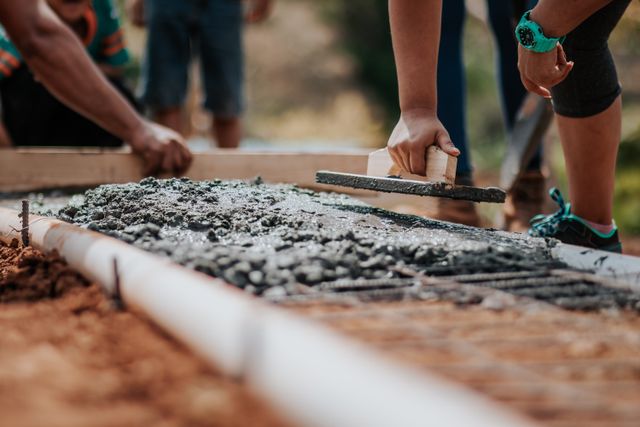
Polished Concrete Adelaide Cost Concrete is one of the most durable and long-lasting materials used in residential construction. Whether it’s a driveway, patio, pathway, pool surround, or shed slab, quality concrete can last for decades when installed and maintained correctly. However, many homeowners unknowingly make decisions that can shorten the lifespan of their concrete and lead to costly repairs.
Having worked around residential concreting projects for many years, I’ve seen the same mistakes repeated time and time again. Most homeowners don’t intentionally make poor choices—they simply aren’t aware of how certain decisions can affect the long-term performance of their concrete.
If you’re planning a new concrete project or maintaining an existing surface, avoiding these common mistakes can save you significant time and money.
1. Choosing Price Over Quality
One of the biggest mistakes homeowners make is selecting the cheapest quote without understanding what’s included.
I’ve seen projects where contractors reduced costs by using thinner slabs, less reinforcement, or inadequate base preparation. Initially, the savings seemed attractive, but within a few years, cracks, sinking, and drainage problems started to appear.
Quality concrete work is an investment, and the lowest price isn’t always the best value.
2. Ignoring Ground Preparation
Many people focus on the visible concrete surface while overlooking what’s underneath.
The strength of a concrete slab depends heavily on the preparation of the base beneath it. Poorly compacted soil or inadequate foundation materials can cause the slab to settle unevenly over time.
In my experience, many structural concrete issues originate below the surface rather than within the concrete itself.
3. Not Considering Drainage
Proper drainage is critical for long-term concrete performance. Unfortunately, homeowners often focus on appearance and forget about water management.
A driveway or patio that doesn’t drain correctly can experience:
- Water pooling
- Surface deterioration
- Soil erosion
- Cracking
- Foundation issues
I’ve inspected many driveways where poor drainage caused more damage than heavy vehicle traffic ever did.
4. Walking or Driving on New Concrete Too Soon
Fresh concrete needs time to cure properly. One common mistake is using the surface before it has gained sufficient strength.
While concrete may look hard after a day or two, the curing process continues for weeks.
I’ve seen tyre marks, surface damage, and premature wear simply because the concrete was used too early.
Following your contractor’s curing recommendations is essential.
5. Neglecting Regular Maintenance
Many homeowners assume concrete requires no maintenance. While concrete is relatively low-maintenance, it still benefits from regular care.
Simple tasks such as:
- Cleaning the surface
- Removing stains promptly
- Repairing small cracks
- Applying protective sealers
can dramatically extend the life of the concrete.
The best-looking driveways I’ve encountered are often the ones that receive consistent maintenance rather than expensive repairs.
6. Ignoring Small Cracks
Hairline cracks may seem insignificant, but they often become larger problems if left untreated.
Water can enter small cracks and weaken the underlying base. Over time, this may lead to larger structural issues, uneven surfaces, and costly repairs.
In my experience, addressing cracks early is one of the most cost-effective forms of concrete maintenance.
7. Choosing the Wrong Finish
Not every concrete finish is suitable for every application.
For example:
- Smooth finishes can become slippery when wet.
- Dark colours may absorb more heat.
- Decorative finishes may require additional maintenance.
Homeowners who select finishes based solely on appearance sometimes regret their decision later.
Final Thoughts
Concrete is a long-term investment, and small mistakes during planning, installation, or maintenance can have lasting consequences. From poor drainage and inadequate preparation to neglecting minor repairs, many common issues are entirely preventable.
Having seen countless residential projects over the years, I’ve learned that the most successful concrete installations aren’t necessarily the most expensive—they’re the ones where homeowners make informed decisions from the start. By avoiding these common mistakes, you can enjoy a stronger, safer, and longer-lasting concrete surface for many years to come.